Type "bjj murrieta" into Google as an adult who's never trained, and the same worries show up for almost everyone: Am I in good enough shape? Will I be the worst person there? Will I get hurt, or look lost? Here's the honest truth from the other side of the door: every single person training at BJJ in Murrieta at 10th Planet started with exactly those worries. Month one exists to answer them. This is how it actually goes, week by week.
Before Week 1: What You're Walking Into
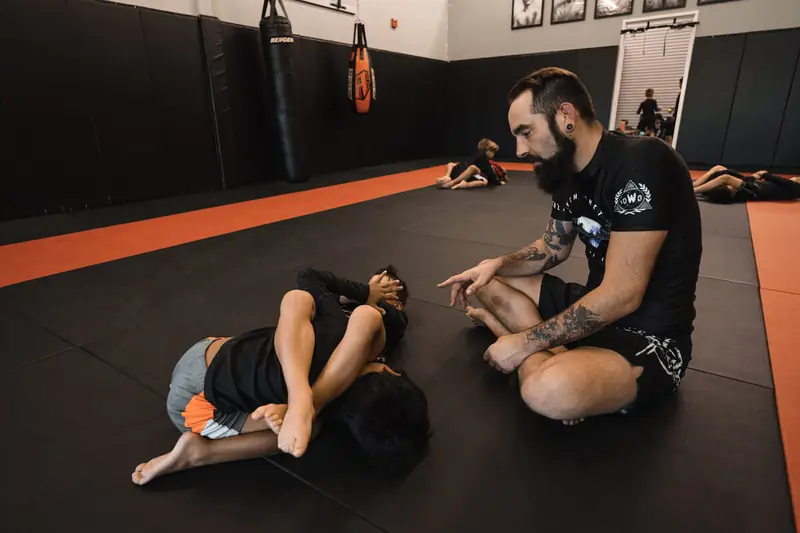
10th Planet Jiu Jitsu Murrieta is a no-gi BJJ academy — Brazilian jiu jitsu trained in a rash guard and shorts instead of the traditional gi jacket. That means no uniform to buy before you start and no grips on clothing; the game is built on underhooks, overhooks, and body control. You don't need experience, a background in sports, or a certain body type. You need a water bottle and the willingness to be a beginner for a while. Our full overview of adults jiu jitsu covers the program structure; here's the experience itself.
Week 1: Learn the Map
Your first week of BJJ is about vocabulary — not vocabulary you memorize from a book, but positions your body starts to recognize. You'll learn what the guard is, what mount and side control feel like from the top and the bottom, and why everyone keeps saying "frames" and "shrimp." Classes are drilling-first: a coach shows a technique, you practice it with a partner at cooperative speed, and the details get layered in.
Two things matter more than any technique this week. First, tapping: the tap is how you say "you've got it, let's reset," and tapping early and often is a skill, not a surrender. Second, breathing. New students hold their breath and muscle everything; by the end of week one you'll already feel the difference when you don't.
Week 2: Escapes Before Attacks
Beginner BJJ at 10th Planet is defense-first, on purpose. Week two is built around getting out of bad spots — escaping mount, escaping side control, recovering your guard when someone passes it. That order surprises people, but it's why our beginners don't panic: when you know you can get out, you're willing to actually try things.
You'll also start noticing that techniques connect. The escape you drilled Tuesday is the same movement that shows up inside Thursday's sweep. BJJ is a system, and week two is when the edges of the system come into view.
Week 3: Your Guard Starts Working
The guard — fighting from your back with your legs between you and your partner — is the heart of Brazilian jiu jitsu, and week three is when most beginners get their first real reps building one. You'll work closed guard control, a sweep or two, and the beginnings of the 10th Planet system: lockdown, rubber guard pathways, and the transitions that make this academy's BJJ different from anywhere else in the valley.
This is also usually the week the soreness changes character. The "I didn't know that muscle existed" phase fades, your timing sharpens, and drills start feeling like a language you're picking up instead of noise you're copying.
Week 4: Rolling — A Little, On Purpose
Live sparring in BJJ is called rolling, and at 10th Planet beginners don't get thrown into it on day one. By week four, with escapes and a guard to work from, short positional rounds get introduced — start in a position, play the position, reset. Your first real rolls will be humbling and weirdly fun in equal measure. You'll get submitted. Everyone does. You'll also catch yourself doing a week-two escape without thinking about it, and that's the moment BJJ clicks from "classes I'm taking" into "a thing I'm learning."
What Progress Honestly Looks Like After One Month
Not a highlight reel. After a month of BJJ in Murrieta, a typical beginner can name the major positions, escape the two worst ones with real technique, hold a guard that takes effort to pass, and survive rounds with training partners instead of just enduring them. Submissions come when they come — chasing them in month one is how people stall. The students who last are the ones who measure progress in comfort, not taps.
How Many Days a Week Should a Beginner Train?
Two or three classes a week is the sweet spot for most beginners. That's enough training for your body to start remembering positions between sessions, and enough rest for the soreness of those first weeks to fade. One class a week still works — plenty of students start there because of work or family — but progress comes slower, simply because the movements don't repeat often enough to stick.
What doesn't work is the heroic schedule: five hard days in week one, then nothing for two weeks because everything hurts. BJJ rewards the person who shows up steadily for months over the person who sprints and stops. Pick the days you can honestly keep, put them on your calendar like appointments, and let consistency do the heavy lifting. You can always add a day later — most beginners do, once the first month is behind them.
Rest is part of training, too. Sleep, food, and a day off between hard sessions are when your body actually adapts. If you're brand new to exercise, expect the first two or three weeks to feel like a lot. That feeling passes. The students who pace themselves in month one are still training in month six.
If your schedule only allows one class at first, take it — and protect it. The same class, the same day, every week builds a rhythm your life can organize around. A surprising number of long-term students started as once-a-week beginners who simply never stopped.
Mat Etiquette: The Rules That Keep Training Safe
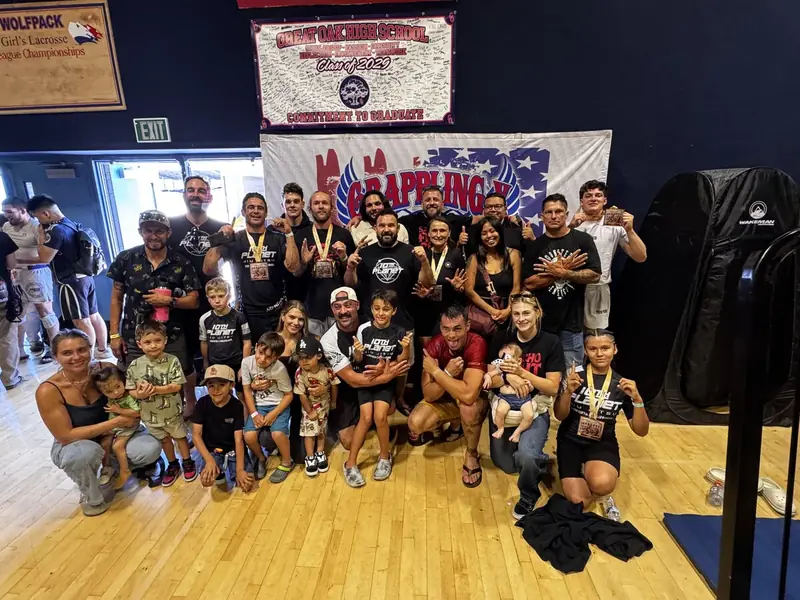
Every academy runs on a few unwritten rules, and learning them is part of learning BJJ. None of them are complicated, and nobody expects you to know them on day one — but they're worth hearing early, because they're what makes a room full of people practicing chokes and joint locks a safe place to train.
Keep nails short and gear clean. Short nails protect your partner's skin; a rash guard washed after every class protects everyone. Shoes stay off the mat, always — the mats are where faces end up. If you're sick, stay home. If you have a cut or a skin issue, get it looked at before you train, not after.
The tap is law. When your partner taps, you let go instantly — no finishing the move, no asking why mid-roll. And when you're caught, tap early and clearly: a firm tap on your partner, the mat, or a verbal "tap" all count. There is no prize for holding out, and the fastest way to get hurt in this sport is treating a training round like a final.
Finally, be the partner you'd want. Match your intensity to the person across from you, tell your coach about any injury before class starts, and ask questions when you're lost — that's literally what the coaches are there for. Good partners get invited back into rounds. In a few months, you'll be the experienced student a nervous beginner is relieved to drill with.
Why Week Five Feels Harder Than Week One
Somewhere around the second month, most beginners hit a strange patch: classes feel harder, not easier. Techniques that worked last week stop working. Rounds end the same way every time. This isn't failure — it's the shape of learning a deep skill. In week one you knew nothing and improved every class. By week five you know enough to see your own mistakes, and your training partners have started adjusting to you.
The fix is boring and it works: keep showing up, and shrink your focus. Pick one escape and one guard you want to improve, and judge your rounds by whether you got to work on those, not by whether you "won." Progress in BJJ is measured in months. The students who push through this patch are the ones still on the mat a year later, and they all say the same thing — it was worth it.
Belts and stripes come along the way, and they feel good — but they're markers, not the mission. The mission is a version of you that's harder to hold down, calmer under pressure, and still showing up. That version is built one ordinary class at a time.
Do I need to get in shape before starting BJJ?
No — BJJ is how you get in shape. Classes scale to the fitness you bring through the door, and drilling lets you work hard without being destroyed. Waiting to be fit first is the most common reason people never start.
What should I wear to my first class?
A rash guard or fitted athletic shirt and shorts without pockets or zippers is perfect for no-gi BJJ. Our beginner gear guide covers everything in detail — but for class one, workout clothes you already own are fine.
Will I have to spar on my first day?
No. Your first classes are technique and drilling. Live rounds are introduced once you have the escapes and control to make them productive — usually a few weeks in, and always at your coach's direction.
How much does BJJ cost in Murrieta?
Memberships vary by program, and the team will walk you through options in person with no pressure. Your first class is free, so the real first step costs nothing: come feel a class, then decide.
Am I too old to start BJJ in my 30s or 40s?
No. Adults in their 30s and 40s are some of the most consistent beginners we see — they show up on schedule, they drill with intent, and they recover smart. You'll train at your own pace, and your coach will scale rounds to where you are. Starting at 40 just means starting at 40.
What if I have an old injury?
Tell your coach before your first class. Old knees, shoulders, and backs are common in this room, and coaches can point you toward drills and positions that work around them. You can drill technique without rolling live until you're ready, and you can always sit out a round. What we ask is honesty — hiding an injury helps nobody.
If you're in Murrieta, Temecula, Menifee, or anywhere in Southwest Riverside County and you've been searching for BJJ near you, month one is smaller than you think — four weeks of showing up. 10th Planet Jiu Jitsu Murrieta is at 26305 Jefferson Ave, Suite M, Murrieta, CA 92562. Take your free first class, and let week one start.