One of the most common questions from people considering their first jiu jitsu class is simply: what do I wear? The good news is that no-gi training has a low barrier to entry when it comes to gear. Here's a straightforward breakdown.
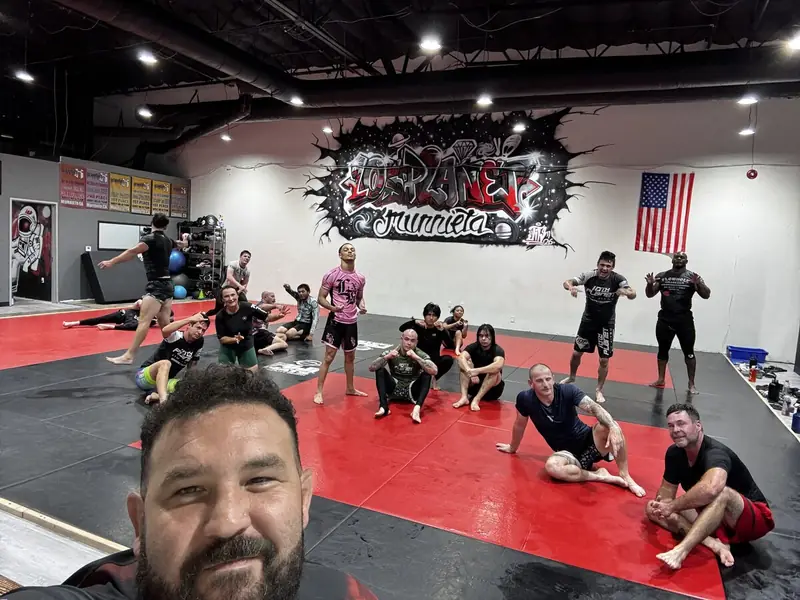
The Basics
- Rash guard or fitted athletic shirt: A snug, moisture-wicking shirt prevents loose fabric from getting caught in grips during training. Long-sleeve rash guards are popular because they help prevent mat burn on the elbows and forearms.
- Board shorts or grappling shorts: Shorts without pockets, zippers, or velcro are ideal — anything with hardware can scratch a training partner or get caught during a roll. Many grappling-specific shorts have a slightly longer, more fitted cut than typical athletic shorts to stay in place during ground work.
- Spats (compression leggings): Many students, especially women, wear compression leggings either alone or under shorts for extra coverage and comfort during ground positions.
What to Avoid
- Zippers, buttons, or hard plastic elements on shirts or shorts — these can injure training partners
- Jewelry of any kind — rings, necklaces, and earrings should come off before stepping on the mats
- Cotton t-shirts — they get heavy with sweat quickly and tend to stretch out and bunch up during grappling
- Long fingernails or toenails — these are a genuine safety issue for training partners
What You Don't Need (Yet)
For your first class — and honestly, your first several months — you do not need to invest in a gi, custom rash guards, or specialty grappling brands. A simple compression shirt and athletic shorts from any sporting goods store will work fine. Many academies, ours included, will let you try your very first class in basic workout clothes with zero pressure to buy anything.
Other Things to Bring
- A water bottle
- A small towel
- Flip-flops or sandals for walking to and from the mat area (you'll train barefoot)
- A positive, open mindset
Hygiene Matters
Because jiu jitsu involves close, sustained contact, good mat hygiene is part of being a respectful training partner. Shower before and after class when possible, keep your nails trimmed, and wash your training gear after every session — sweat-soaked rash guards left in a gym bag overnight are a fast track to skin issues.
The Starter Kit: What You Actually Need Day One
Let's keep this simple, because the internet loves to overcomplicate gear. Day one at our Murrieta academy: a rash guard or fitted athletic shirt, shorts without pockets (or leggings/spats), and a water bottle. That's it. No $200 shopping spree required. Train in that for your first weeks while you decide if jiu jitsu is for you — and it will be.
Leveling Up Your Kit (When You're Hooked)
Once you're training regularly — and students from Temecula to Wildomar usually get hooked fast — here's the sensible upgrade path. First: a proper long-sleeve rash guard or two (they protect against mat burn and last longer than t-shirts). Second: dedicated grappling shorts or spats. Third, optional: a mouthguard for live training, and ear protection if you're concerned about cauliflower ear.
Skip the fancy stuff until you know what you like. The best gear is the gear that gets you on the mats consistently — and the only thing you truly need to start is already in your closet. Come try a free trial and see for yourself.
Hygiene and Mat Etiquette: The Unwritten Gear Rules
Gear isn't just what you wear — it's how you show up. The unwritten rules of no-gi hygiene matter more than any brand: trim your nails (hands and feet), shower before class if you can, wash your rash guard and shorts after every session, and stay home if you're sick or have any skin irritation. Mat infections are no joke, and prevention is a team sport.
Bring flip-flops or slides for off-mat areas — nobody walks barefoot to the bathroom and back onto the mats. Tie long hair back securely. Remove jewelry, watches, and anything with zippers or pockets that could scratch a partner. These small courtesies are what make academies like ours in Murrieta feel professional and safe.
New students sometimes feel awkward asking about this stuff. Don't be — our coaches would rather answer ten hygiene questions than treat one preventable infection. It's part of learning the culture, and every student from Temecula to Wildomar went through the same orientation.
Where Murrieta Students Buy Gear
You don't need local specialty shops to get started — your closet covers day one. When you're ready to upgrade, most of our students order online: established grappling brands for rash guards and shorts, any sporting goods store for a mouthguard. Ask our coaches before you buy; we'll steer you away from overpriced hype and toward what actually lasts on the mats.
One tip: buy two rash guards early. You'll train multiple times a week, laundry takes a day, and nobody wants to re-wear a damp rash guard. Beyond that, keep it simple — the best investment isn't gear, it's mat time. And mat time starts with a free trial at our Murrieta academy.
How Long Gear Lasts — and the Rotation That Makes It Last Longer
A single rash guard trained in three times a week lives a hard, short life: seams stressed nightly, washed constantly, elastics giving up within the year. Spread the same training across two or three rash guards in rotation and each one lasts dramatically longer — gear dies from cycles, and rotation is how serious students slow the cycles down. The same goes for shorts; a two-pair minimum keeps you from ever facing the laundry-or-skip-class decision, which is a real attendance killer nobody talks about. Wash everything after every class, inside out, and hang it to dry rather than baking it in the dryer; your gear will last longer and your training partners will silently bless you.
Replace pieces when the signals arrive: a rash guard that's gone baggy at the collar, shorts whose waistband needs constant re-tying, anything with a hole in a place that catches fingers or toes. Gear at end-of-life isn't thrifty — it's a small injury waiting for a scramble.
Mouthguards, Explained Simply
You don't need one for your first class — drilling is controlled and coaches will tell you when live training makes it smart. When you do get one, the choice is between boil-and-bite guards from any sports store, which you soften in hot water and mold at home for a few dollars, and custom guards fitted by a dentist, which cost more and fit noticeably better. Most of our students live happily in the boil-and-bite tier for years; students who spar striking regularly or have dental work to protect are the ones who find the custom route worth it. Fit check: it should stay in when you open your mouth and let you breathe and talk without a wrestling match. If it fails either test, remold or replace it — a guard you hate is a guard in your bag instead of your mouth.
The Gym Bag Itself: A Small System
Last, the container. Experienced students run a boring little system that removes all friction: a bag that lives by the door, a wet bag or plastic sack inside it for post-class gear, a small kit with tape, nail clippers, and a spare hair tie or two, and everything washed and repacked the same night it was used. The point isn't tidiness points — it's that on tired Thursdays, the students who train are the ones whose bag was already packed. Gear discipline is attendance discipline in a trench coat, and it starts with the humble setup above.
For Parents: Kids' Gear Without the Guesswork
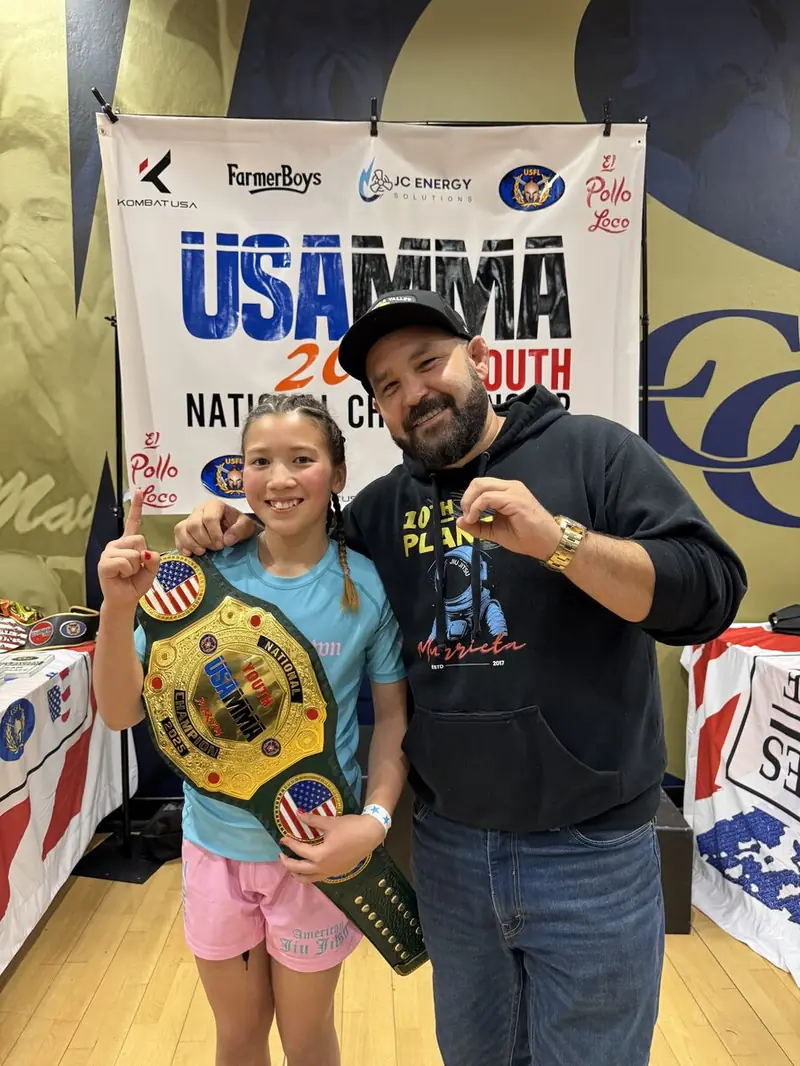
Parents ask a simpler version of the gear question, so here it is plainly: kids need exactly what adults need, smaller — a rash guard and shorts or leggings, no pockets or zippers, and a water bottle with their name on it. Skip the expensive everything. Kids outgrow gear faster than they wear it out, tournaments are optional, and the only true requirement on day one is a child dressed for safe movement. If they fall in love with training — most do — there will be plenty of time to upgrade the kit together.
One parent-tested tip: keep a spare set in the car during the school year. Classes get attended when the gear is findable, and the difference between a term of training and a month of good intentions is very often a clean rash guard that exists in two places instead of one laundry basket.
Quick Answers
Can I wear a regular t-shirt to my first class?
Absolutely. A fitted athletic t-shirt works fine for your first classes. You'll want a proper rash guard once you're training regularly — it handles sweat and mat friction much better.
Do I need special shorts?
Any athletic shorts without pockets, zippers, or buttons work. Dedicated grappling shorts are a worthwhile upgrade once you're hooked — they're cut for movement and have no hard parts.
Should I buy gear before my first class?
No. Train your first classes in what you own, make sure you love it, then upgrade. Your first class at our Murrieta academy is free — come as you are.
Do I need a mouthguard for my first class?
No. Your first class is drilling and technique at controlled intensity, and nothing in it requires one. If you keep training — and especially once you add Muay Thai or harder live rounds — a simple boil-and-bite mouthguard becomes a smart, cheap addition. Coaches will tell you plainly when your training reaches that point.
How many rash guards do I need if I train three times a week?
Two is the workable minimum, three is the comfortable number. Three sessions a week in one rash guard means constant washing and a fast-wearing garment; rotating two or three spreads the wash-and-wear cycles so each lasts far longer, and it guarantees a clean one is always ready. Shorts follow the same math — two pairs cover a three-class week without laundry roulette.
Come As You Are for Your First Class
Don't let gear be the thing that stops you from trying jiu jitsu. At 10th Planet Jiu Jitsu Murrieta, you're welcome to show up to your free trial in whatever comfortable athletic clothing you already own. We'll point you in the right direction for gear if and when you decide to keep training.